The best energy monitoring plugs: find out what each appliance costs you
Smart plugs and plug-in meters that show what each appliance really uses, and what to measure first to cut your electricity bill.
Find out what is costing you money
Your bill shows the total, not which appliance is to blame. An energy monitoring plug sits between the socket and the appliance and tells you exactly how many watts and kWh it uses. Ten minutes with one can tell you more than a year of bills.
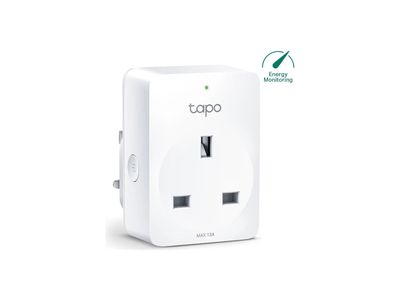
TP-Link Tapo P110 Smart Plug with Energy Monitoring
- Shows in the Tapo app what anything plugged into it uses, in real time and by day and month, and switches it on and off on a schedule. Up to 13 A (about 3 kW): fine for heaters, kettles and dryers.
- Up to 2,990 W · 4.5/5 from 4,600 Amazon ratings
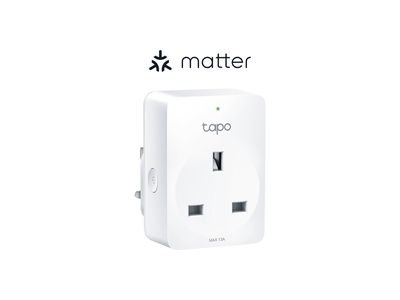
TP-Link Tapo P110M Matter Smart Plug with Energy Monitoring
- The Matter version: works with Apple Home, Google Home and Alexa through Matter, with the same energy monitoring and schedules in the Tapo app.
- Up to 2,990 W · 4.6/5 from 800 Amazon ratings
MECHEER Plug-in Power Meter (LCD)
- No app, no Wi-Fi: plug it in between the socket and the appliance and its screen shows watts, kWh and cost. The quickest way to find out what your heater, fridge or TV really uses.
- Up to 2,900 W · 4.3/5 from 2,535 Amazon ratings
If you buy through our links, Amazon pays us a small commission. The price is the same for you.
What to measure first
- Things that are always on: an old fridge or freezer, the TV and games console on standby, a router and set-top box. Every 10 W running all year is about 88 kWh, roughly £23.06 a year.
- Your heater: see how much it really uses on its thermostat in an evening, not just its rated power.
- Dehumidifier, heated airer, electric blanket: check they switch off when they should.
Smart plug or plug-in meter?
A plug-in meter with a screen is the simplest way to measure. A smart plug also keeps a history in an app and can switch things off on a schedule, so standby stops costing you. Both handle up to about 13 A (3 kW): fine for most heaters, but never plug a heater into an extension lead.
Frequently asked questions
Do smart plugs save money?
On their own they use a little power, but they save money by switching off standby devices on a schedule and by showing you which appliances use the most.
How accurate are plug-in energy monitors?
Good enough to compare appliances and spot waste: typically within a few per cent. They are not billing meters.
Can I use a smart plug with an electric heater?
Yes, if the heater draws no more than the plug rating (13 A, about 3 kW) and you plug it straight into the wall. Check the heater manual: some ask not to be used with timers.
Running costs use the Ofgem energy price cap, 1 October to 31 December 2026: average unit rate for electricity paid by Direct Debit (26.32p/kWh, standing charge 54.83p/day) and gas (7.97p/kWh). National averages; your region and tariff may differ. Prices on Amazon change: check the live price before you buy.