The best dehumidifiers for damp and condensation (November 2026)
Damp makes a home feel colder and feeds black mould. A dehumidifier costs a few pence an hour and dries laundry indoors far more cheaply than a tumble dryer. Our ranking and running costs.
The ranking for November 2026
| # | Model | Type | Power | Per hour | Per month* | Controls | Score | |
|---|---|---|---|---|---|---|---|---|
| 1 | Pro Breeze 12L/Day Dehumidifier Best value dehumidifier | Dehumidifier | — | 5.3p (typical) | £12.63 8 hours a day | Timer | 9.7 | Check price → |
| 2 | Pro Breeze 20L/Day Compressor Dehumidifier For large homes | Dehumidifier | — | 5.3p (typical) | £12.63 8 hours a day | Timer | 9.2 | Check price → |
| 3 | Meaco MeacoDry Arete One 12L Quietest, lowest energy | Dehumidifier | 151 W | 4.0p | £9.54 8 hours a day | Timer | 9.2 | Check price → |
| 4 | Pro Breeze 10L Desiccant Dehumidifier For cold rooms | Dehumidifier | — | 17.1p (typical) | £41.06 8 hours a day | Timer | 6.2 | Check price → |
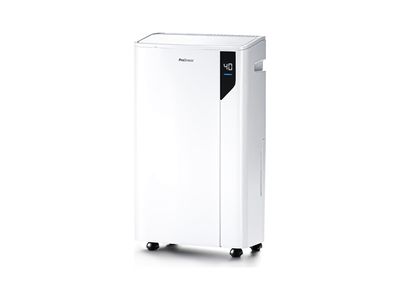
Pro Breeze 20L/Day Compressor Dehumidifier
Timer
* Typical use shown under each figure, 30 days, at the Ofgem price cap (26.32p/kWh). Typical means the seller does not publish the power, so we use a typical figure for that kind of appliance. Recalculated every update.
- Running cost: What each one costs per hour and per month at the Ofgem price cap (26.32p/kWh). Watt for watt, every electric heater costs the same to run: the one that saves money is the right size and switches itself off.
- Controls: Thermostats, timers, weekly schedules, eco modes and Wi-Fi score highest: they are what actually cuts the bill.
- Safety: Tip-over and overheat protection, and splash protection (IP24) for bathrooms.
- What buyers say: Amazon UK sales and what buyers repeat in their reviews, summarised in our own words. Newer models with few reviews score lower until they have them.
We don't test products at home: we combine manufacturers' specifications, Amazon UK listings and buyer feedback with the running-cost maths. How we compare.
The best for each situation
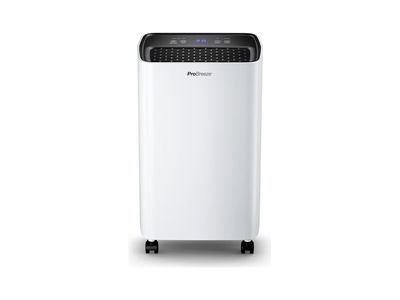
Pro Breeze 12L/Day Dehumidifier
Humidity sensor, laundry mode and a big tank.
Check price on Amazon →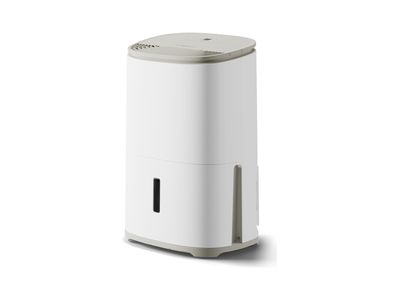
Meaco MeacoDry Arete One 12L
About 150 W and 35 dB, with HEPA purifier.
Check price on Amazon →Pro Breeze 20L/Day Compressor Dehumidifier
Up to 20 litres a day.
Check price on Amazon →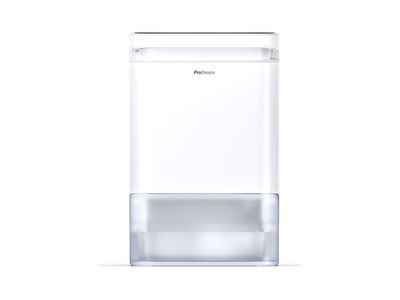
Pro Breeze 10L Desiccant Dehumidifier
Desiccant: keeps working in the cold.
Check price on Amazon →If you buy through our links, Amazon pays us a small commission. The price is the same for you.
Compressor or desiccant?
- Compressor: uses less electricity and extracts more water in a heated home. The right choice for most people.
- Desiccant: uses more power but keeps working in cold rooms (garages, basements, caravans) and gives off a little warmth.
Drying laundry: dehumidifier or tumble dryer?
A dehumidifier in laundry mode in a small closed room dries clothes for a fraction of the cost of a tumble dryer, and stops the condensation that drying indoors causes.
🧮What is the cheapest way to heat your home? Gas, electric, heat pump or heated throw: the numbers→Frequently asked questions
How much does a dehumidifier cost to run?
A typical 200 W compressor model costs about 5.3p an hour at the price cap: 8 hours a day for a month, about £12.63. With the humidity sensor it runs less.
What humidity should my home be?
Between 40 and 60 %. Above about 65 % you get condensation, mould and dust mites.
Does a dehumidifier make a room warmer?
Not directly, but dry air feels warmer and is quicker to heat. Desiccant models also give off a little heat.
Running costs use the Ofgem energy price cap, 1 October to 31 December 2026: average unit rate for electricity paid by Direct Debit (26.32p/kWh, standing charge 54.83p/day) and gas (7.97p/kWh). National averages; your region and tariff may differ. Prices on Amazon change: check the live price before you buy.